Sometime around 3000 BCE, in a chalk valley that would one day lie fifty kilometres north of Paris, a family carried a child's body into a long stone gallery already crowded with the bones of their ancestors. It was not the first burial that season, and it would not be the last. Something was moving through the community that used this tomb: skeleton after skeleton recovered from its floor would later show the same grim pattern, an unusually high number of children and young adults among the dead, generation after generation thinning out faster than it should have. Within a few centuries, the people who had built and filled this tomb were simply gone, and strangers from hundreds of kilometres away had taken their place at the same grave. It took archaeologists five thousand years, and a technology unimaginable in the Stone Age, to work out what had happened, and the answer is now reshaping how historians understand the end of Europe's great age of megalith-building.
The tomb is at Bury, a small village in the Oise valley, and it belongs to a type of monument the French call an allée sépulcrale, or gallery grave: a long, narrow, roofed stone corridor built to receive the dead of a community not once but for generation after generation. Structures like it were raised across northern France and Belgium in the final centuries of the Neolithic, and for archaeologists they have always represented something reassuring: continuity. A single tomb, used by the same people, generation after generation, for a thousand years or more. In 2026, a team of archaeologists and geneticists sequenced the DNA of 132 people buried at Bury across its long history, and continuity turned out to be exactly the thing the tomb did not contain.
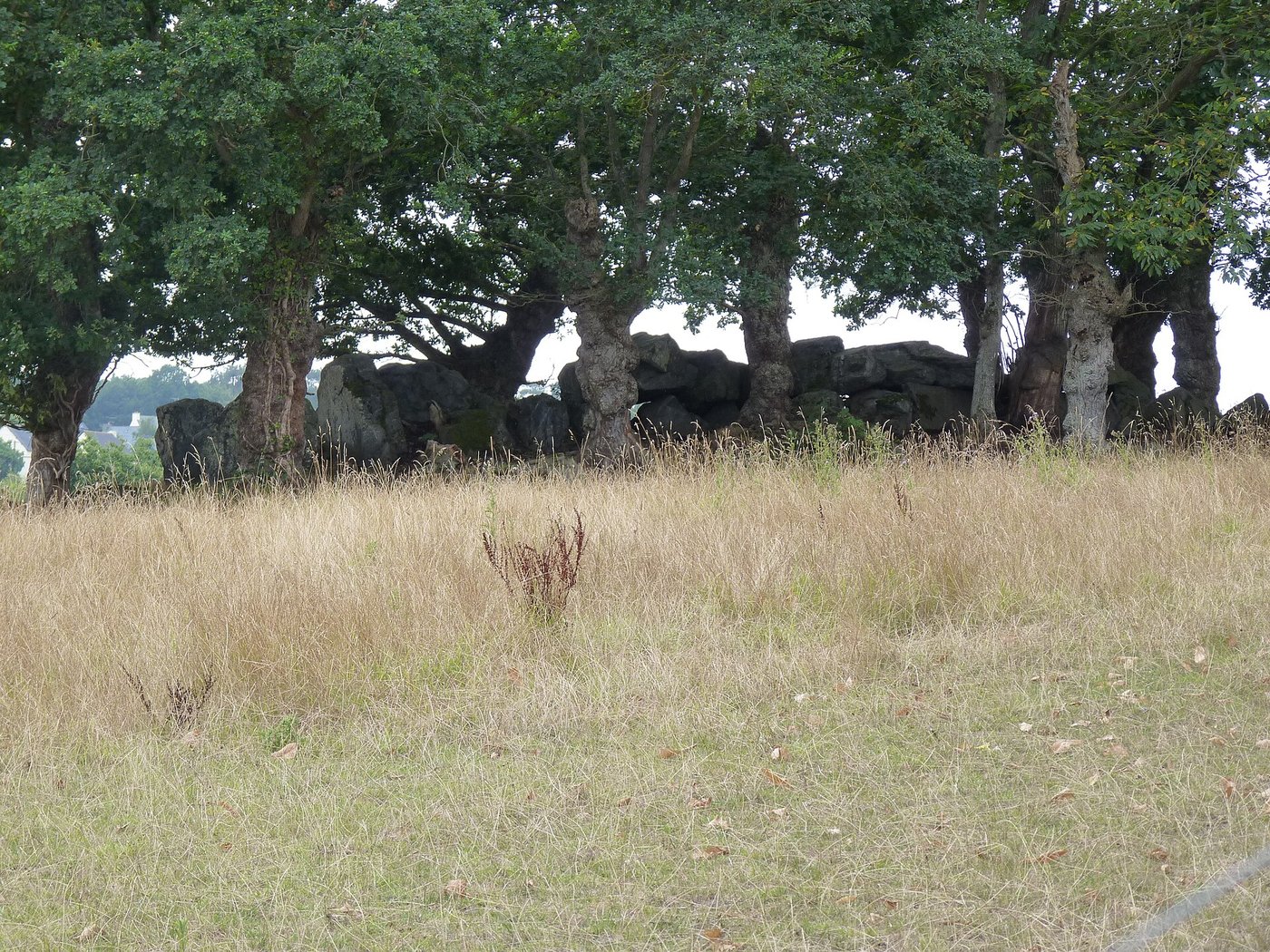
A monument built to outlast its builders
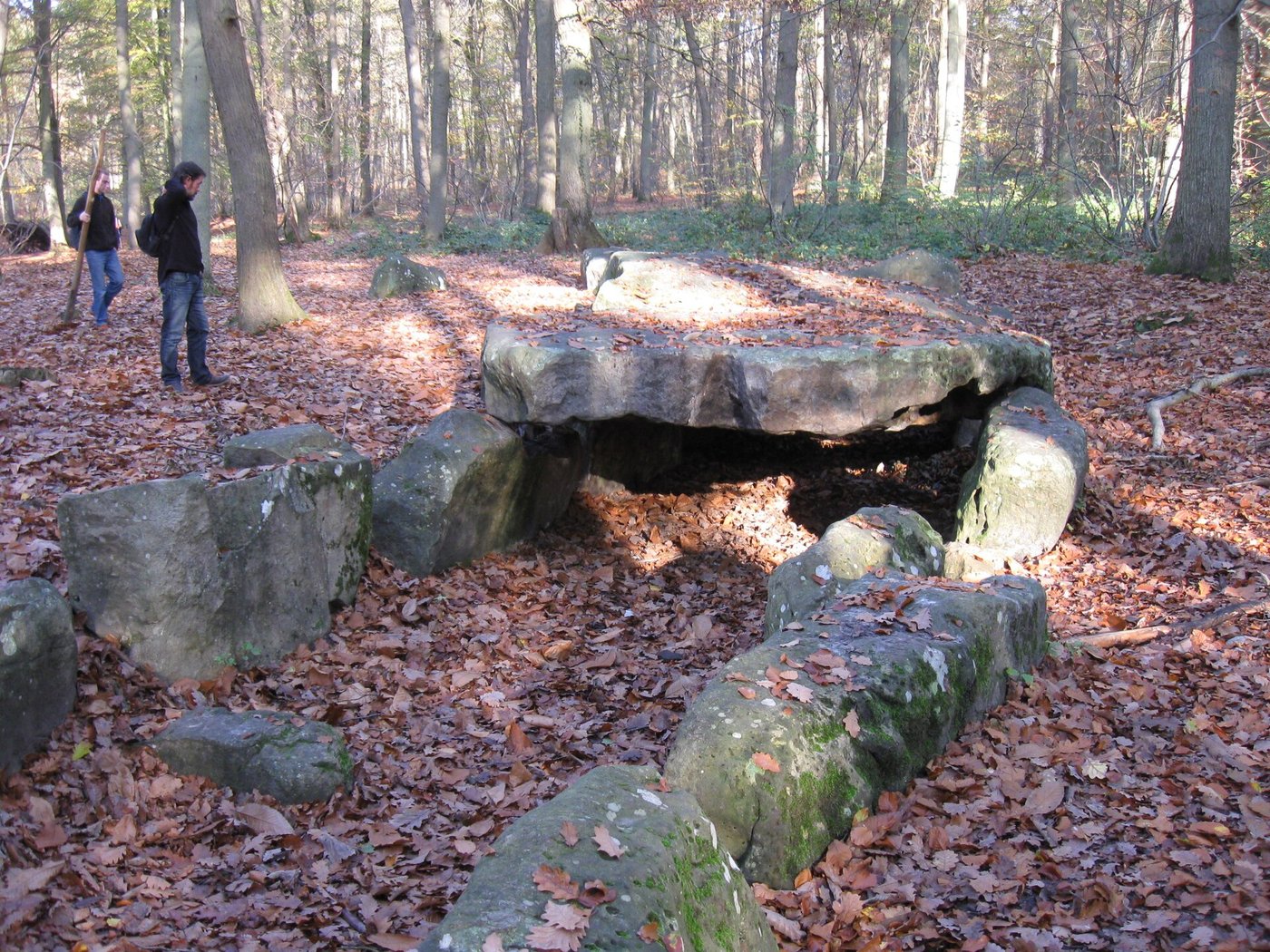
To understand why the Bury discovery matters, it helps to know what a gallery grave actually was. Unlike a single burial mound raised for one important person, these tombs were communal and repeatedly reopened. A capstone or slab could be lifted, a new body brought in, older remains pushed respectfully aside to make room, sometimes sorted by bone type into tidy piles of skulls and long bones. Some galleries were fitted with a porthole slab, a stone with a round hole cut through it separating an entrance chamber from the main burial space, a design so distinctive that archaeologists use it to identify the culture that built them: the Seine-Oise-Marne culture, named for the three river valleys where these monuments cluster, active from roughly 3100 to 2000 BCE.
The tomb at Bury was used, on and off, across an extraordinary span of time: parts of the fourth, third and even second millennia BCE, according to the archaeological sequence published by researchers including Laure Salanova, Philippe Chambon and Frédérique Valentin. That alone made it valuable: most Neolithic graves offer a single snapshot, but Bury offered something closer to a time-lapse. Excavators had already shown that funerary customs changed considerably over the centuries the tomb was in use, with burials becoming more selective over time. What nobody could tell from bones and stones alone was whether the same families kept returning to bury their dead here, or whether, at some point, an entirely different population had simply taken the tomb over.
The Bury gallery grave was not filled once and sealed. Radiocarbon and archaeological evidence show it was reopened and used across the fourth, third and into the second millennium BCE, a span longer than the entire history of the Roman Empire, all inside one stone corridor in a French chalk valley. Few structures anywhere in the ancient world stayed in continuous ritual use for so long.
A community in crisis
The first genetic story to emerge from Bury concerned the tomb's earliest users, farming communities descended from the first Neolithic settlers of northern France and, further back, from early farmers who had spread out of the Aegean and the Balkans centuries earlier. Multiple generations of the same extended families were buried together in this period, a pattern that speaks of tightly knit kin groups who saw the tomb as a shared ancestral home, precisely the picture of continuity the monument seems built to project.
But the skeletons themselves told researchers something was wrong. Mortality among children and young people in this earlier phase was markedly high, a demographic signature that specialists recognise as a strong indicator of sustained crisis rather than the ordinary background rate of prehistoric death. Something (poor harvests, worsening climate, or disease moving through crowded farming settlements) was cutting this community down before its time, and it kept happening for long enough to leave a measurable scar in the tomb's population structure.
"We see a clear genetic break between the two periods. The earlier group resembles Stone Age farming populations from northern France and Germany, while the later group shows strong genetic links to southern France and the Iberian Peninsula."— Frederik Valeur Seersholm, lead geneticist on the Bury ancient-DNA study
The genetic break
Then, around 3000 BCE, the people who had used the tomb for generations disappear from its genetic record entirely. When burial resumes, the DNA extracted from the bones belongs to a population with a strikingly different ancestry, one linked overwhelmingly to communities from southern France and, further back, the Iberian Peninsula. Researchers found that more than 80 percent of the later occupants' ancestry traced to Iberia, a genetic signal with no plausible source in the people who had been living in the Paris Basin only a few generations before.
This was not a gradual blending of two neighbouring populations. It was a clean discontinuity: an ancestral group vanishes, and an unrelated group, carrying a different genetic history and, presumably, a different language and set of customs, takes over the same sacred ground. None of the individuals tested across either phase were closely related to one another in the way full siblings or parents and children would be, suggesting each phase represents a larger travelling or settled community rather than a single household, which makes the total population replacement all the more striking. This was not one family dying out. It was, in effect, one people replacing another at the exact same tomb.
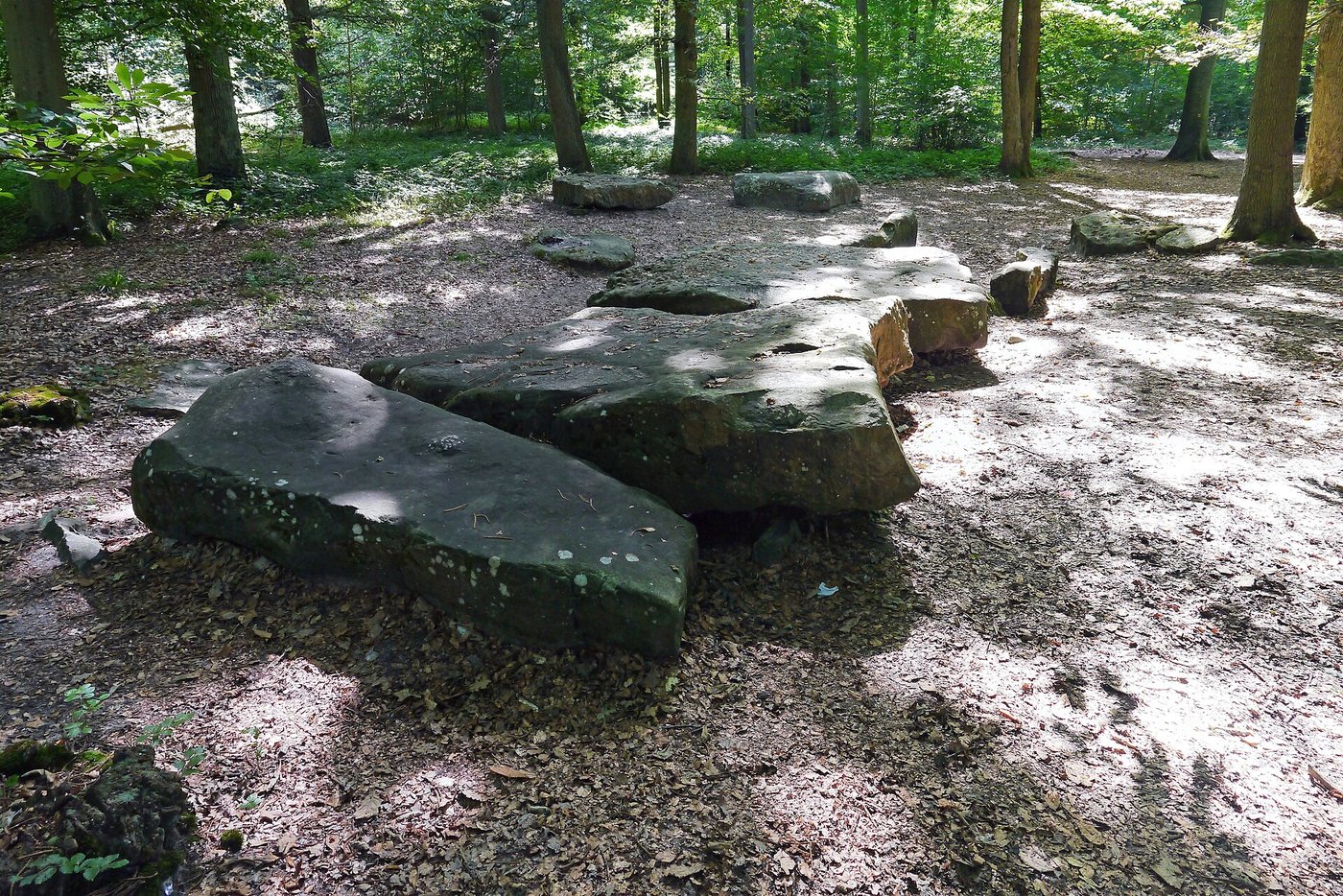
New arrivals, new rules
The newcomers did not just occupy the tomb. They changed how it was used. Where the earlier phase had welcomed generation after generation of an extended kin group, burial in the later phase became far more selective, and the genetic data revealed something particularly telling: the later population was dominated by a single male lineage, passed down father to son with striking consistency. That is the genetic fingerprint of a society organising itself around descent through specific men, a shift toward the kind of lineage-based hierarchy that would come to define the Bronze Age societies that followed, rather than the broader, more communal kin groups of the earlier farmers.
The timing matters enormously. This migration into the Paris Basin predates the arrival of the Bell Beaker culture, the famous bell-shaped-pottery-using groups often associated with major population turnover across Bronze Age Europe, by several hundred years. In other words, Bury captures an earlier, previously underappreciated wave of population replacement, one driven by movement from the south and west rather than the steppe migrations that would reshape Europe's gene pool a few centuries later. The people who ended the old community at Bury were not the Bell Beaker folk history books usually credit with transforming Neolithic Europe. They came earlier, and from a different direction entirely.
"A single unbroken lineage of farmers built and used these grand megalithic tombs continuously for thousands of years — an ancestral line stretching back to the first Neolithic settlers."
At Bury, ancient DNA shows the founding population vanished entirely around 3000 BCE and was replaced by an unrelated group with Iberian ancestry, who then imposed their own, more hierarchical burial customs on the very same tomb.
A continent losing its monument-builders
Bury did not fall silent in isolation. Its story sits inside a much larger and stranger pattern that archaeologists call the Neolithic decline: a rapid, widespread collapse in population across large parts of northern and western Europe between roughly 3450 and 3000 BCE. The evidence comes from multiple independent sources telling the same story. Regional site densities, a rough proxy for population, drop by anywhere from 20 to 60 percent within a few centuries. Pollen cores show forest regenerating over what had been cleared farmland, a sure sign that fields were being abandoned rather than farmed. Cereal cultivation, the backbone of the Neolithic economy, contracts sharply across the same window.
And the decline lines up, with uncomfortable precision, against the moment megalithic tomb-building itself began to wind down across north-western Europe. The vast stone monuments that define our image of Neolithic Europe, chambered cairns, passage graves, gallery graves like the one at Bury, were mostly the achievement of societies that existed before roughly 3000 BCE. After that point, across region after region, the great age of monument construction tails off. Researchers now argue this is not a coincidence: the populations that had the manpower, the social organisation and the shared ritual culture needed to raise these enormous structures were themselves disappearing.
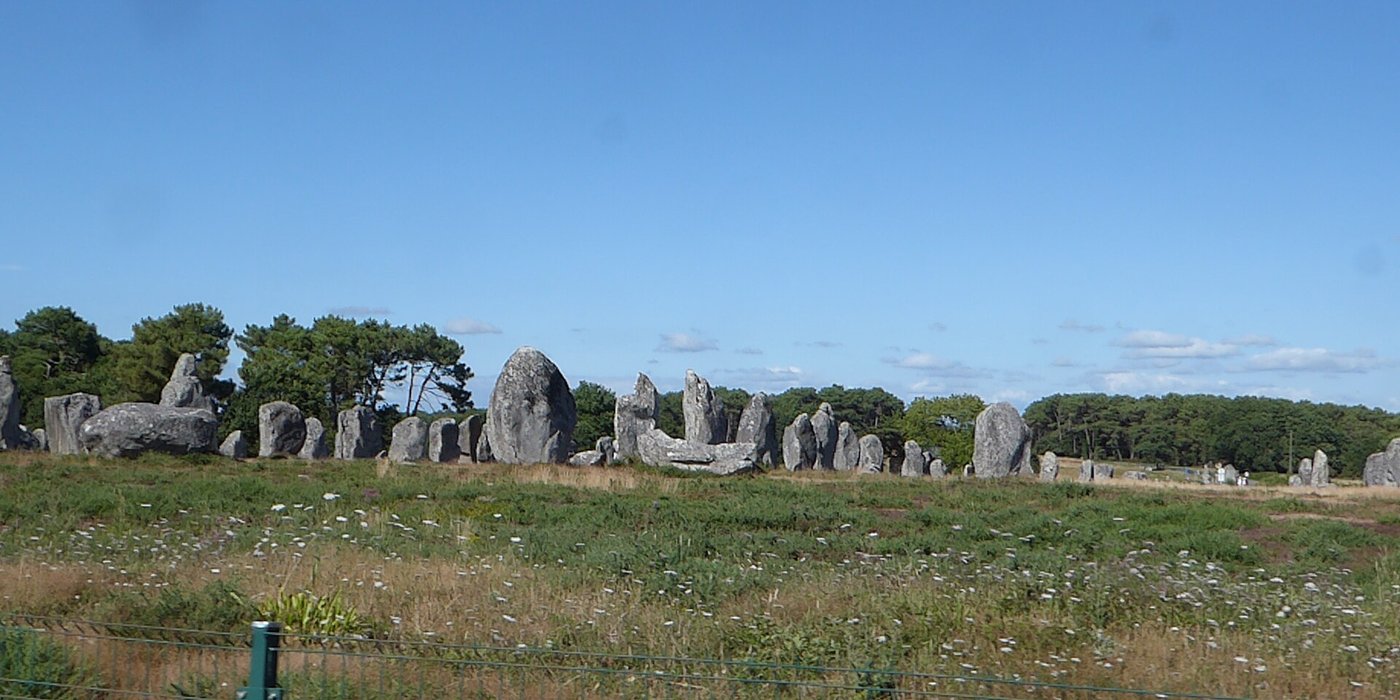
What caused the Neolithic decline remains contested. Some researchers point to worsening agricultural conditions and cereal failure as the primary driver. Others have argued for epidemic disease: ancient DNA studies elsewhere in Europe, including in Scandinavian megalithic tombs, have recovered strains of Yersinia pestis, the plague bacterium, from bodies dating to this same general period, though whether it caused mass mortality on the scale seen here is still debated. Most specialists now suspect some combination of climate stress, agricultural failure, and disease acting together, with migration filling the demographic vacuum this crisis left behind, but no single cause has been proven, and the Bury data itself cannot say which of these pressures killed the community whose children died so disproportionately young.
What stone and pottery could never show
It would be easy to read the Bury story as a purely academic correction, a footnote about which precise centuries a particular tomb changed hands. Its real significance is bigger than that. For decades, the story of Neolithic Europe was written almost entirely from stone, pottery and burial customs, sources that are wonderful at showing how people lived but almost powerless to say whether the people using a monument in one century were the descendants of the people who built it. Ancient DNA has changed that calculus completely. It can now show, directly and unambiguously, when a population was replaced rather than merely transformed, and Bury is one of the clearest single-site examples yet documented of exactly that process happening at one of Europe's most sacred kinds of place.
There is also something modern in what the Bury skeletons preserve: a community weakened by repeated crisis, its children dying young, its resilience worn down generation after generation until it could no longer hold its ground, followed by the arrival of outsiders who took over not just the land but the very monument the vanished community had built to keep its memory alive. Migration, demographic collapse and the fragility of societies under sustained environmental or epidemiological pressure are not uniquely modern anxieties. They were written into the bones of a chalk valley north of Paris five thousand years ago, and it took a DNA sequencer, not a shovel, to finally read them.
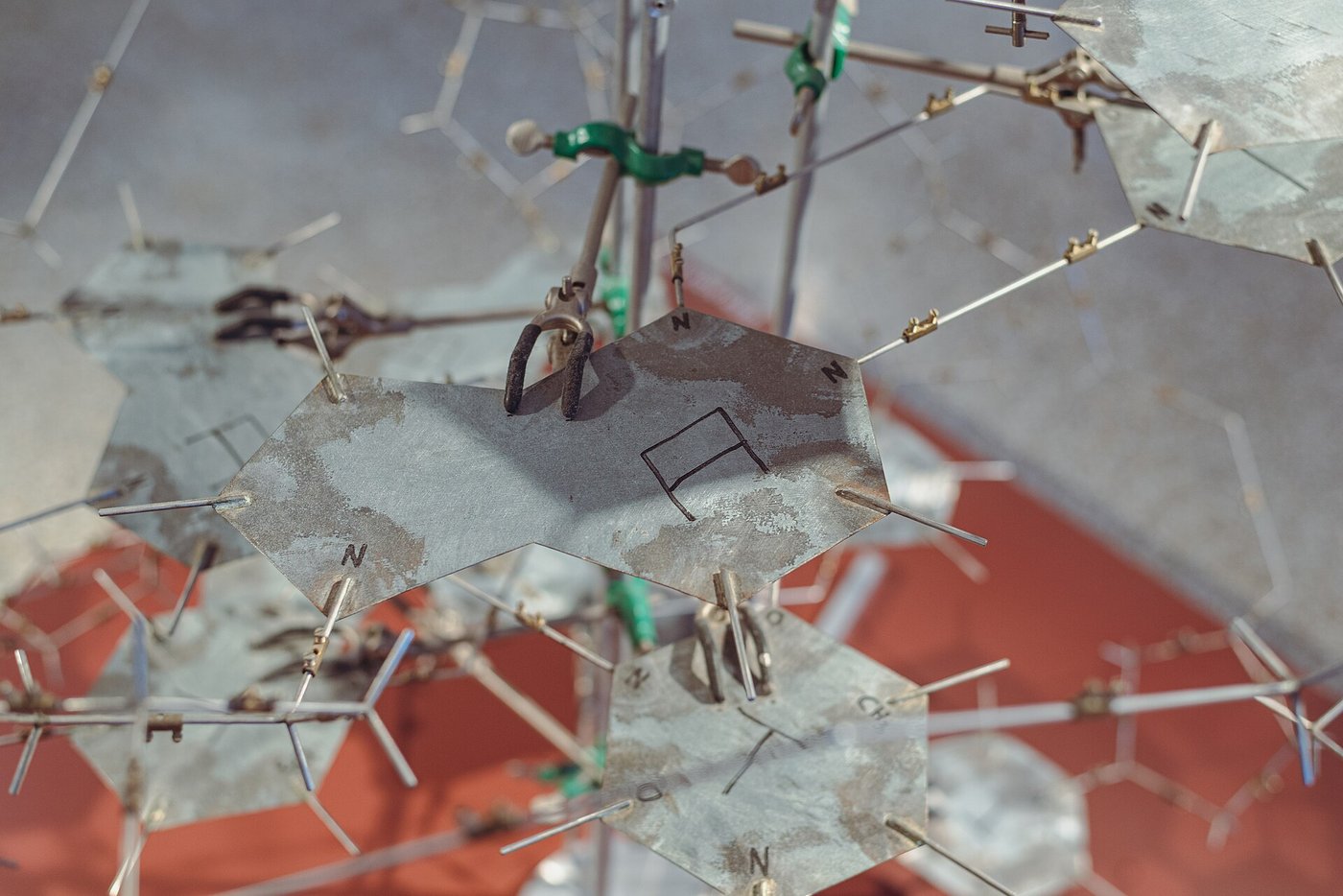
The tomb at Bury is not a dramatic ruin. There is no soaring stone circle, no lost city beneath the sand, nothing that photographs as instantly as Stonehenge or the pyramids. It is a low, unassuming stone corridor in a quiet French valley, the kind of site that, for most of the last century, would have been catalogued, measured and largely forgotten. What has turned it into one of the more important archaeological stories of 2026 is not what it looks like above ground, but what its dead have finally been able to say, once science learned how to ask the right question of a five-thousand-year-old bone.
Image credits (via Wikimedia Commons): gallery grave interior at Plédran — Crepi22 (CC BY-SA 3.0); La Pierre Turquaise gallery grave, Saint-Martin-du-Tertre — Thor19 (CC BY-SA 3.0) and Poulpy (CC BY-SA 3.0); alignments at Carnac, Morbihan — Le Passant (CC BY-SA 4.0); DNA double helix model — Flocci Nivis (CC BY 4.0).
Read next: The Black Death: How a Plague Raised Wages and Weakened Serfdom and Shimao: The Stone City in China That Was Not Supposed to Exist.
Sources & further reading
- Frederik Valeur Seersholm et al., ancient genomic study of the Bury gallery grave, published 2026, summarised in ScienceDaily, "Ancient DNA reveals the mysterious collapse of Europe's megalith builders."
- Laure Salanova, Philippe Chambon, Jean-Gabriel Pariat, Anne-Sophie Marçais and Frédérique Valentin, "From one ritual to another: the long-term sequence of the Bury gallery grave (northern France, fourth–second millennia BC)," Antiquity (2017).
- University of Copenhagen, "Stone age population collapse revealed by DNA study in France," research summary (2026).
- Nature Ecology & Evolution, "Population discontinuity in the Paris Basin linked to evidence of the Neolithic decline" (2026).
- Wikipedia, "Neolithic decline" and "Seine–Oise–Marne culture," background on the wider demographic and cultural context.