On the afternoon of 5 December 1872, halfway between the Azores and the coast of Portugal, the crew of a Canadian brig called the Dei Gratia watched another ship come toward them across an empty sea. She was under sail, but the sail was set wrong (some of it torn, some of it missing, the canvas working against itself), and she yawed as she came, the way a vessel does when no hand is on the wheel. Captain David Morehouse trained his glass on her deck and saw no one. He hailed her. Nothing answered. After watching for two hours to be sure it was not a trick, he sent his first mate across in a small boat to climb aboard a ship that was sailing herself through the middle of the Atlantic with not one living soul on board.
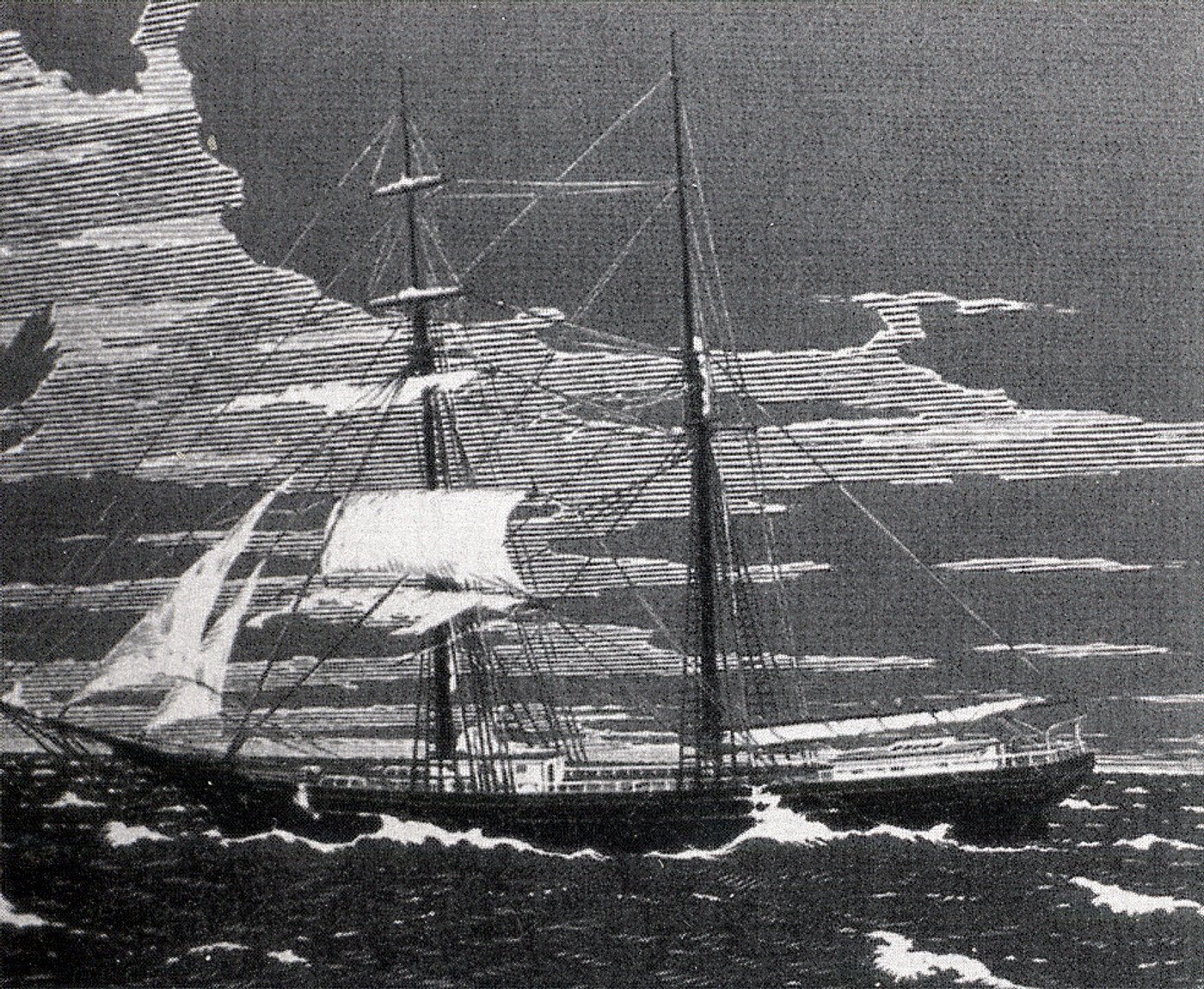
The ship was the Mary Celeste, an American brigantine out of New York, ten days into a voyage to Genoa with a hold full of alcohol. Everything about her was ordinary except the one thing that mattered: her ten people were gone. The captain, his wife, their baby daughter and seven crewmen had left a sound ship in the middle of a calm ocean and vanished, taking the one lifeboat and leaving almost everything else behind. No bodies were ever found. No message. In the century and a half since, the Mary Celeste has become the ghost ship, the thing every other maritime mystery is measured against. Most of what people think they know about her is wrong. What is left, once the invented parts are stripped away, is stranger and quieter than any of it.
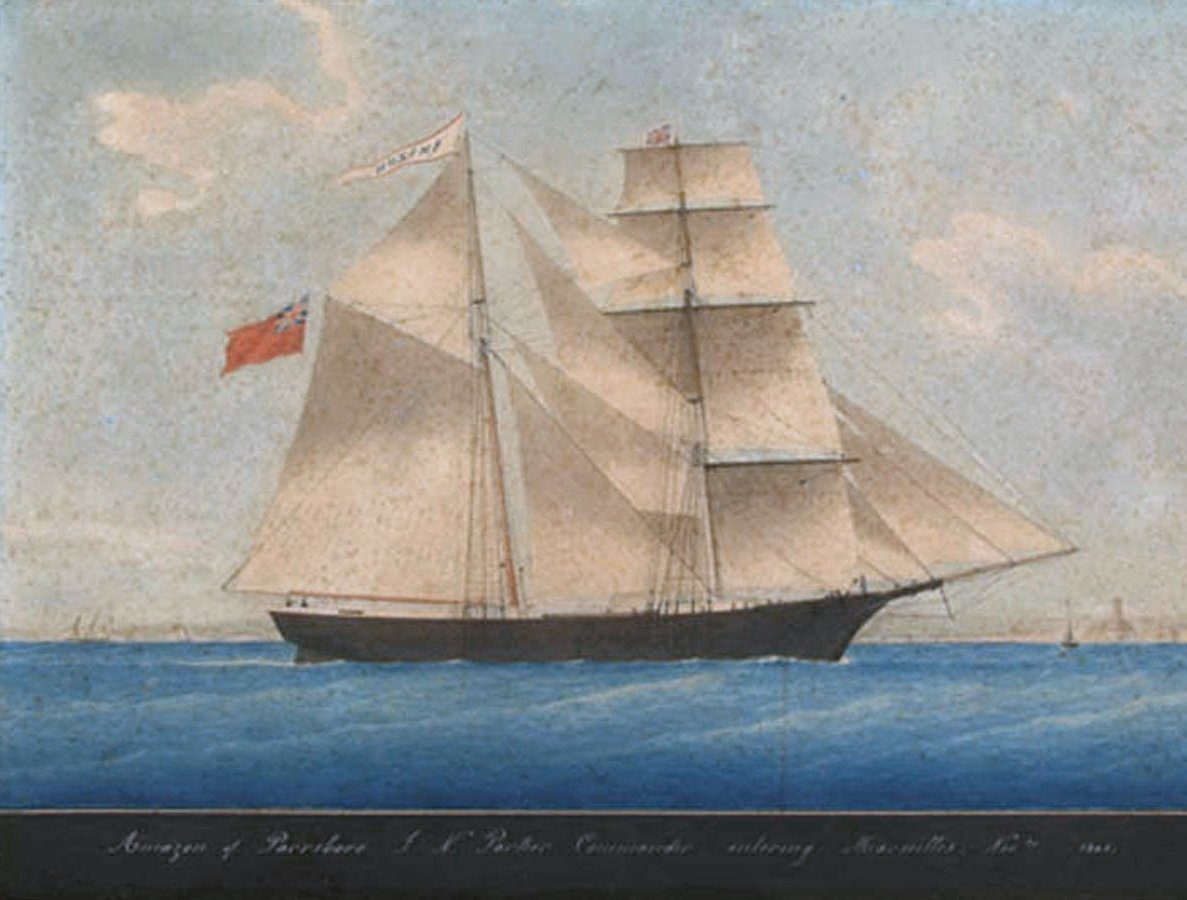
She began as the Amazon
The ship was not born unlucky, whatever people later said. She was built in 1861 at a little shipyard on Spencer’s Island, on the Bay of Fundy shore of Nova Scotia, and launched under the name Amazon. She was a modest working brigantine of not quite two hundred tons, meant to carry cargo across the North Atlantic and back, and for her first years that is exactly what she did. Her early life was uneventful in the way that most ships’ lives are, which is to say she made money for her owners and stayed afloat.
The turn came in 1867, when she was driven ashore in a storm off Cape Breton and wrecked. A damaged ship is often not worth repairing, and she was sold cheap as salvage. The man who eventually bought the hulk had her patched up, put back into the water, and re-registered under American ownership with a new name: Mary Celeste. Sailors are superstitious about renaming a vessel, and later, when the stories started, the change of name became a sign that the ship had been marked for trouble. At the time it was simply paperwork. In early 1872 she was given a thorough refit (new decking, a lengthened hull, more cargo room), which is worth remembering, because that ordinary building work may have set the whole mystery in motion.
Ten people and seventeen hundred barrels
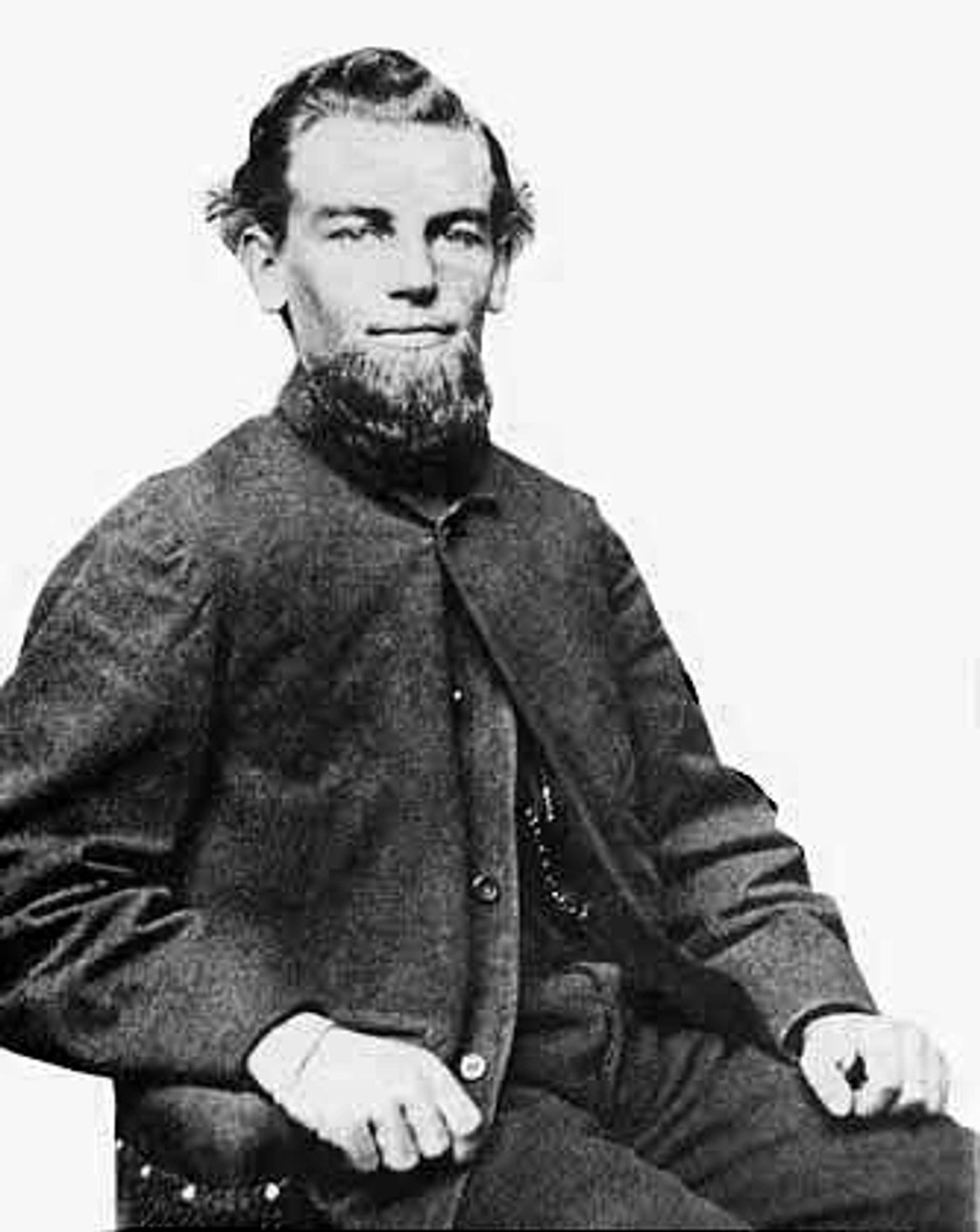
Her master on the last voyage was Benjamin Spooner Briggs, a Massachusetts man from a family of sea captains, careful, religious and well thought of. He was not a reckless sailor. He owned a share in the ship himself, which is the kind of detail that matters: a man does not usually plot to destroy something he part-owns and has staked his savings on. Briggs brought his wife, Sarah, and their two-year-old daughter, Sophia Matilda, aboard for the crossing. Their seven-year-old son, Arthur, was left at home with his grandmother so he would not miss school. It was meant to be a good voyage, part work and part family passage to Italy.
The crew were seven, and by every account they were sober and able men. There was a first mate, Albert Richardson, a second mate, and a steward, and four seamen, two of them brothers named Lorenzen from the Frisian Islands. Briggs wrote to his mother before sailing that he had “a good mate and a good crew” and expected an easy passage. Nothing in the record suggests a ship full of the kind of men who murder their officers.
The cargo was the last ordinary thing about her. In her hold sat 1,701 barrels of commercial alcohol (industrial spirit, the kind used to fortify wine and make other products, not the kind you would want to drink), loaded in New York and bound for Genoa. She left New York harbour on 7 November 1872, dropped down to anchor for a couple of days while bad weather blew through, and then put out into the open Atlantic. The last entry in her log was made on 25 November, off the island of Santa Maria in the Azores. After that, silence, until the Dei Gratia found her nine days later, still sailing, still empty.
What the boarding party actually saw
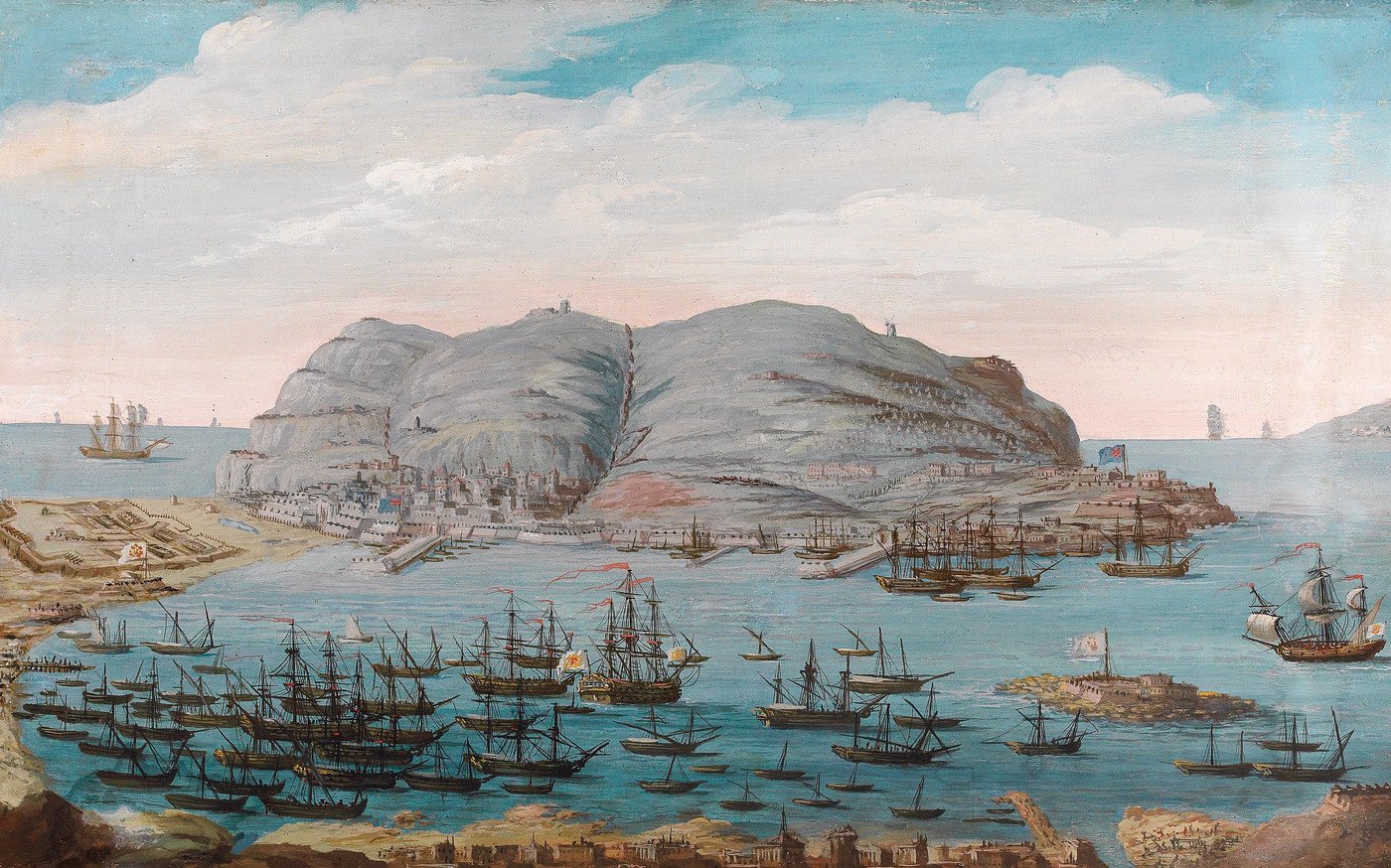
The man who climbed aboard was Oliver Deveau, first mate of the Dei Gratia, and his testimony is the closest thing we have to a photograph of the scene. He found a wet ship but not a sinking one. There was water below, something like three and a half feet of it in the hold, which sounds alarming until you know that a vessel of her size could carry a good deal more than that and stay perfectly seaworthy. The pumps worked. She was, in Deveau’s judgement, “a thoroughly sound ship.” He and two others sailed her the several hundred miles to Gibraltar without much trouble, which rather proves the point.
Inside, the strangeness lay in the small things. One of the deck hatches had been lifted off and left beside its opening. The ship’s compass in its binnacle was knocked out of place and the glass broken. A rope, one of the halyards, was found trailing over the side, frayed at the end. The sounding rod, the tool used to measure how much water was in the hold, was lying on the deck rather than stowed. And the yawl, the ship’s single small boat, which had been carried lashed across a hatch, was gone.
What was not disturbed is what has kept people awake for a hundred and fifty years. The cargo was intact. There was food and fresh water enough for six months. The crew’s belongings were still in the forecastle: their oilskins, their pipes, their boots. Sarah Briggs’s things were in the cabin, the child’s toys among them. Whatever made ten people leave, they left in such a hurry that they took almost nothing, and yet in such order that they paused to lower a boat rather than jump. The ship’s papers were missing and so was the navigation equipment (the chronometer, the sextant, the register), which is exactly what a captain would grab if he were abandoning ship on purpose and expected to need to find his way. Only the logbook was left behind.
The inventory is what makes the case so hard to close. Six months of provisions, untouched. A full cargo of 1,701 barrels, all but nine of them still sealed. The sailors’ sea-chests, clothes and pipes, left in the forecastle. The captain’s wife’s belongings and the baby’s things, still in the cabin. A phial of oil for the sewing machine standing upright on its shelf, which tells you the sea had not been violent enough to throw it down. And yet the navigation instruments and the ship’s papers were gone, along with the only boat. People who flee blindly do not stop to collect the sextant. People who leave in an orderly way do not leave everything they own. The scene fits neither picture cleanly, and that is the whole problem.
The breakfast that never happened
Ask most people what was found on the Mary Celeste and they will tell you about the meals. Plates of half-eaten breakfast still warm on the table. Tea steaming in the cups. A pipe still smouldering. The washing hung out to dry. The impression is of a crew that stood up mid-mouthful and stepped straight off the face of the earth: there one second, gone the next. It is a wonderful image, and it is completely made up.
In the popular story, the boarders found breakfast laid out and half-eaten, tea and coffee still hot in the cups, food cooking on the galley stove, everything frozen at the instant the crew disappeared: proof of a sudden, uncanny vanishing with no natural cause.
Deveau described no such thing. The galley was in some disorder, cooking gear stowed, no meal set out and certainly nothing warm; the ship had been drifting empty for more than a week. The warm-breakfast image comes almost entirely from a magazine short story written eleven years later by a young Arthur Conan Doyle, who invented the details to make his fiction eerie. The public remembered the story better than the facts, and the imaginary breakfast has been served up as evidence ever since.
The court that suspected murder
When Deveau brought her into Gibraltar, the Mary Celeste and her cargo were worth real money, and under the law of the sea whoever salvaged an abandoned ship was owed a reward. That meant a hearing before the vice admiralty court to decide what had happened and how much the Dei Gratia’s men should be paid. The hearing was supposed to be routine. It became something closer to a murder investigation, mostly because of one man.
Frederick Solly-Flood was the Attorney General of Gibraltar, and he arrived at the case already certain that a crime had been done. He had the ship examined and seized on every ambiguous mark as proof. There were shallow grooves cut into the timber on either side of the bow; a surveyor decided they had been made deliberately, perhaps to fake damage. There were stains that might have been blood on the deck and on an old sword found under the captain’s bunk. Solly-Flood built these scraps into a theory: the crew had broken into the alcohol, murdered Briggs and his family in a drunken rage, staged the scene and fled. It was vivid and it was wrong at almost every point.
The alcohol in the hold was industrial spirit that would have sickened anyone who drank it, not a temptation to mutiny. The stains on the sword, when they were finally analysed, were not blood. The grooves on the bow were natural, the sort of thing weather and water do to a wooden hull. And the men who had crewed the Mary Celeste were not, on any evidence, the type Solly-Flood imagined. The court sat for months, turned up nothing it could prove, and in the end awarded the Dei Gratia’s crew a salvage payment far smaller than such a rescue would normally earn: a quiet insult, a hint that the judges half-suspected Morehouse’s men of some collusion they could not name. No charge was ever brought. No answer was ever reached. The Mary Celeste was handed back to her owners with her question still open.
The story that swallowed the ship
For a decade the abandoned brig was a minor maritime curiosity, the kind of thing that filled a paragraph in a newspaper and was forgotten. Then, in January 1884, a struggling young doctor named Arthur Conan Doyle, three years before he invented Sherlock Holmes, published a short story in a London magazine. He called it “J. Habakuk Jephson’s Statement,” and it claimed to be the confession of a survivor of the ship’s last voyage.
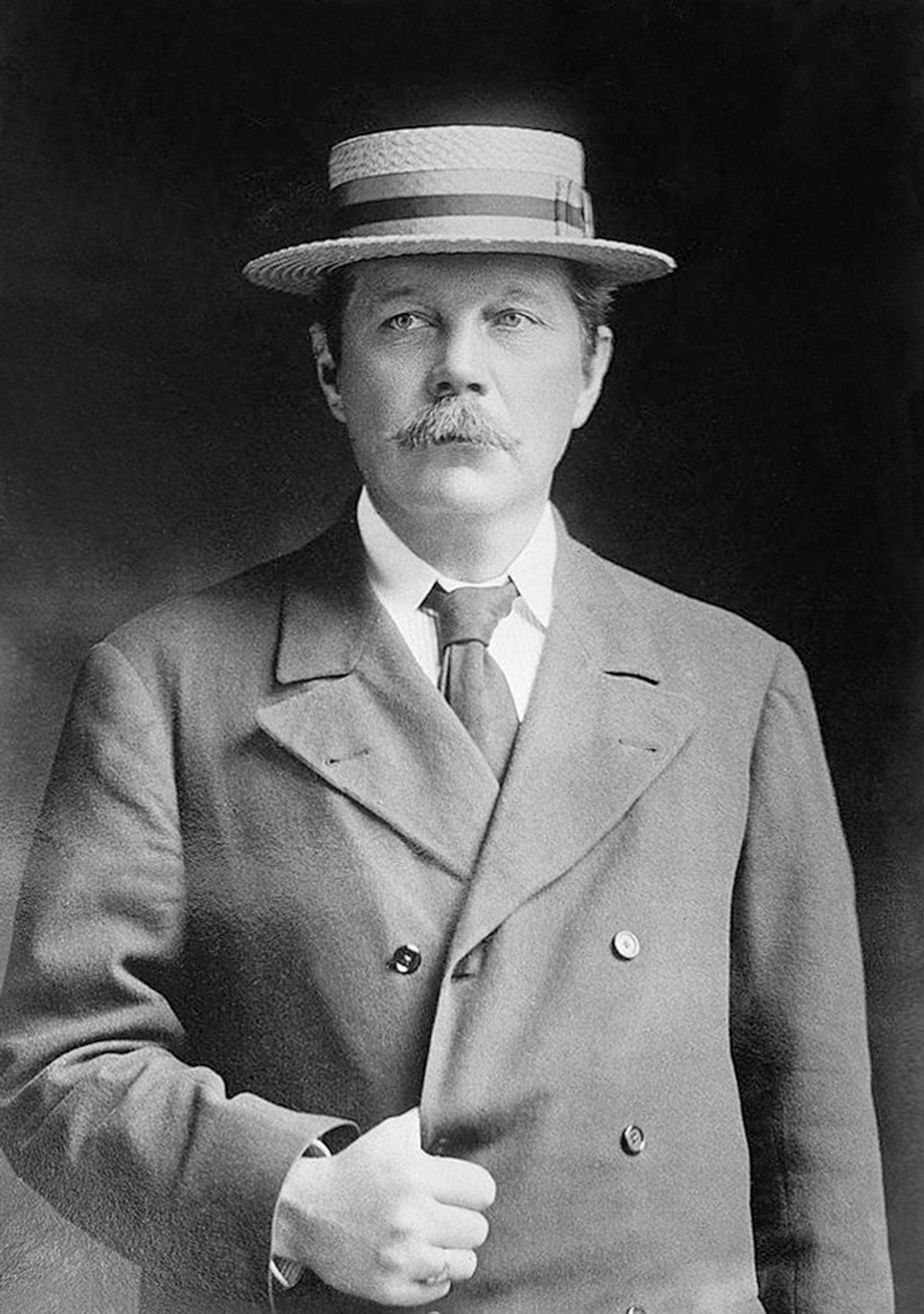
Doyle was writing fiction and never pretended otherwise, but he built his tale on the real ship and dressed it with details that sounded like fact. He renamed her the Marie Celeste, a French-looking spelling that was simply a mistake, and he added the meal left steaming, the eerie perfect calm, a plot involving a murderous passenger. The story was gripping, it was widely read, and readers took the fiction for the truth. From that day the ship has been the Marie Celeste to half the world, though she never once bore that name, and the invented breakfast has appeared in a thousand retellings as evidence. It is one of the clearest cases on record of a story eating the facts it grew from.
What most likely happened
Strip away the murder and the magic, and a sober explanation starts to take shape: not certain, but reasonable, and built on the real evidence. It begins with the cargo. Of the 1,701 barrels of alcohol, nine were found empty. They were made of red oak, a more porous wood than the white oak of the rest, and the leading idea is that they leaked. Alcohol vapour is heavier than air and, in a warm hold after days at sea, it can build up. If fumes escaped when a hatch was opened (and remember, a hatch was found lifted off), there might have been a sudden venting, even a small flash or a frightening rush of vapour, with no lasting fire to leave a mark. To a captain with his family aboard, the fear that the hold might explode would be reason enough to act.
Set beside that the state of the ship. She had just been refitted, and her pump seems to have been fouled by debris from the building work, so the sounding rod (the tool for measuring water in the hold) may have given a false or unreadable figure. There was real water below. If Briggs could not tell how fast it was rising, and if he believed the cargo might be about to go up beneath his feet, he faced a choice no captain wants. The likeliest reconstruction is this: he ordered everyone into the yawl, tying it to the ship by a long rope so they could stand off at a safe distance and then return once the danger passed. It was a cautious plan, the plan of a careful man. And then something went wrong with it. A gust, a parting of the frayed rope, a wind rising, and the Mary Celeste, still under some sail, drew away from the little open boat faster than oars could follow. Ten people were left in the middle of the Atlantic with no ship, and the ship sailed on without them.
None of this can be proved, and honest researchers disagree on the details. Some favour the leaking-alcohol scare; others a waterspout or sudden squall that drove water into the bilges and made the ship seem to be flooding; others a simple failure of the pump and the captain’s misjudgement of his own position. One reconstruction, worked out with an oceanographer, has Briggs thinking he was much further from land than he was, sighting the Azores late, and abandoning ship in a panic close to a shore he could have reached. What the modern work agrees on is the mechanics of the end: an abandoned but seaworthy Mary Celeste, they found, could and did keep sailing on her own for hundreds of miles. The ghost ship needed no ghost. She only needed to be left.
The frayed halyard trailing over the side, the boat gone, the navigation gear taken, the hatch off, the food untouched: every clue that seemed uncanny fits an orderly, frightened, temporary evacuation that turned permanent in a moment. It is not a satisfying answer, because there were no survivors to confirm it and never will be. But it asks nothing supernatural, and it fits a man like Briggs, who did not panic without cause, and who, faced with what he took for a choice between the sea and the fire, chose the sea and lost.
How the ship really died
The Mary Celeste herself did not vanish. That is the part the legend leaves out, because it spoils the mood. After Gibraltar she was sold, and sold again, and carried her new reputation as a jinx from owner to owner. No one wanted her; she lost money for everyone who tried her. Her ending, when it came, was squalid rather than eerie.
In 1885 her last owners, led by a captain named Gilman Parker, loaded her with a cargo they insured for far more than it was worth (boxes of rubbish dressed up on paper as valuable goods) and deliberately ran her onto a coral reef off the coast of Haiti. It was crude insurance fraud. They set her afire to finish the job and rowed away to claim the money. The scheme fell apart; there was a trial the following year, and though the jury could not quite agree to convict Parker of the full charge, he was ruined by it and died soon after, poor and disgraced. The ghost ship of the Atlantic ended her days as the prop in a shabby swindle, burning on a reef in the Caribbean.
Even that was not quite the end of the confusion. More than a century later, in 2001, the adventure novelist and shipwreck hunter Clive Cussler announced that his team had found the wreck of the Mary Celeste on that Haitian reef. It was a good story. But when the recovered timbers were dated by their tree rings, the wood turned out to have come from trees that were still alive years after the ship was supposed to have burned. Whatever the divers had found, it was not the Mary Celeste. Even her grave, it seems, will not sit still and be identified. The ship that could not keep a crew could not, in the end, keep a resting place either.
What survives is the emptiness. Not a wreck, not a body, not a note: just a sound ship found sailing herself across a calm sea, her table not set, her cargo whole, her people simply not there. Everything vivid that was later added to that scene was invented, and once you take the inventions away you are left holding the one plain fact that started it all, and it is enough. Ten people got into a small boat on a fine December day, for a reason that seemed good to a careful captain, and were never seen again. The sea gave back the ship and kept the rest.
Read next: Vasa: The Warship a Gust of Wind Sank on Its Maiden Voyage and Franklin Expedition: The Ships Found by Believing the Inuit.
Sources & further reading
- Charles Edey Fay, Mary Celeste: The Odyssey of an Abandoned Ship (Peabody Museum of Salem) — the most thorough documentary account, reproducing the court records and testimony.
- Brian Hicks, Ghost Ship: The Mysterious True Story of the Mary Celeste and Her Missing Crew — a readable modern narrative of the voyage, the hearing and the afterlife of the legend.
- Paul Begg, Mary Celeste: The Greatest Mystery of the Sea — a careful sifting of evidence and theories, sceptical of the wilder claims.
- Oliver Deveau, sworn testimony to the Gibraltar vice admiralty court, December 1872 — the primary description of the ship as she was found.
- Arthur Conan Doyle, “J. Habakuk Jephson’s Statement,” Cornhill Magazine (January 1884) — the fiction that created the popular myth, worth reading to see how it happened.
- Jess Blumberg, “Abandoned Ship: The Mary Celeste,” Smithsonian Magazine — a concise overview of the facts and the leading modern theories.
Image credits (via Wikimedia Commons): the ship in 1861 as the Amazon, attributed to Honoré Pellegrin (public domain); engraving of the Mary Celeste (public domain); Captain Benjamin Briggs (public domain); view of Gibraltar harbour, unknown artist (public domain); Arthur Conan Doyle, Library of Congress (public domain).