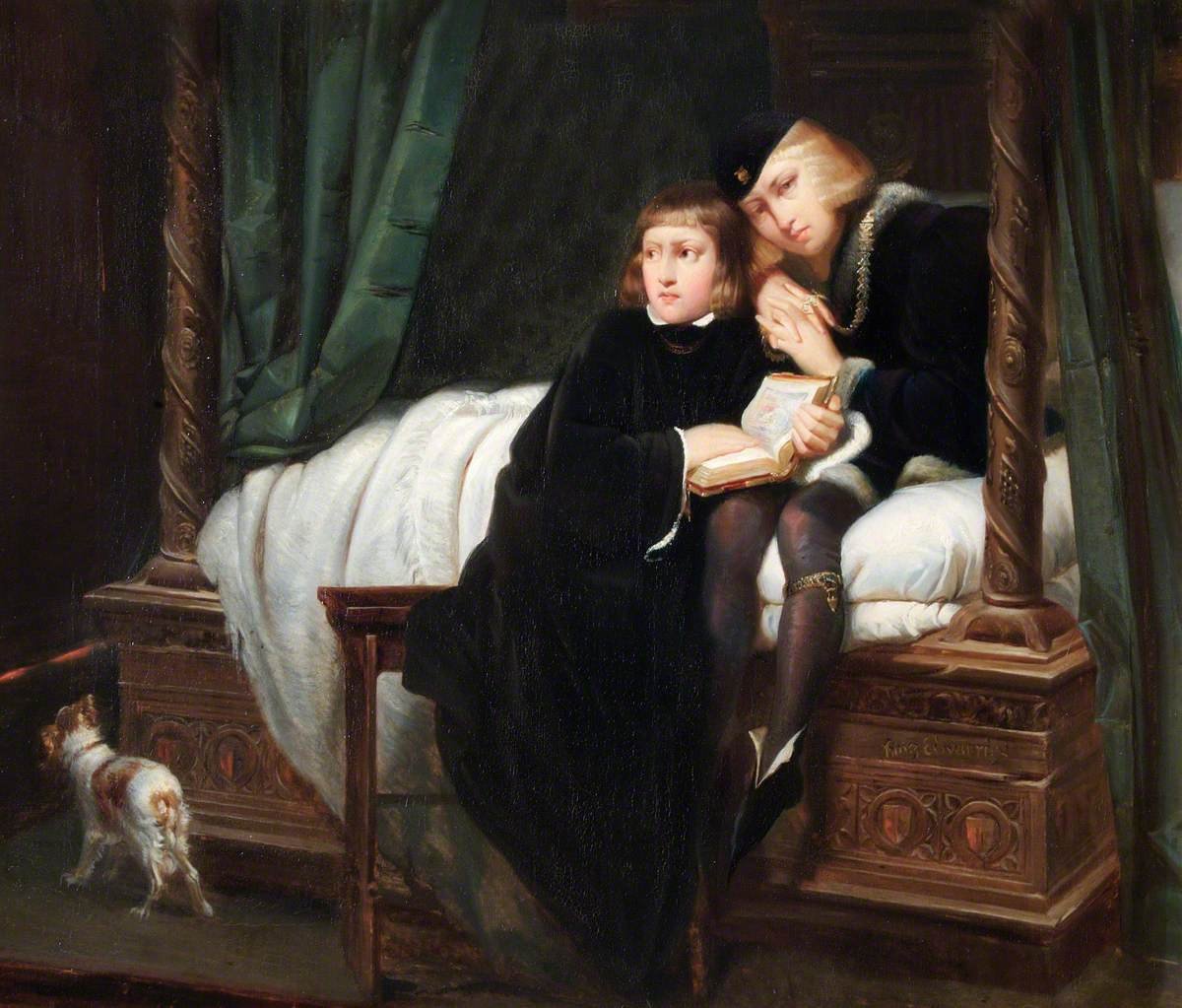
On 29 March 1849, a nine-year-old boy named Duleep Singh sat before the assembled British commissioners in the Fort of Lahore and signed away his kingdom. Among the terms of the treaty forced on him was a single line demanding that "the gem called the Koh-i-Noor, which was taken from Shah Sooja-ool-moolk by Maharajah Runjeet Singh, shall be surrendered by the Maharajah of Lahore to the Queen of England." Weeks later, the diamond that had passed through the hands of sultans, shahs and emperors for five centuries was sewn into a leather belt, carried by an army officer under armed guard through cholera-ravaged India, and shipped to London. It would never travel east again.
Few objects on Earth carry as much blood, ambition and argument in their history as the Koh-i-Noor, Persian for "Mountain of Light." Today it sits behind glass in the Tower of London, a pale, oval-cut stone of 105.6 carats, set at the front of a platinum crown made for the Queen Mother in 1937. It is, by most standards, no longer even a particularly large diamond; dozens of bigger stones have been found since. Yet no gem in the world is more fought over, more mythologised, or more central to a live diplomatic argument between nations that did not exist when it changed hands last.
A stone from the riverbeds of Golconda
The Koh-i-Noor was not mined the way modern diamonds are. It almost certainly came from the alluvial gravel beds along the Krishna River near Kollur, in the Golconda region of the Deccan plateau in southern India, a stretch of country that, for much of history, was the only source of diamonds known anywhere on the planet. Until Brazilian deposits were discovered in the 1720s, virtually every diamond of note in the ancient and medieval world, from Roman jewellery to Mughal thrones, had passed through Golconda's markets at some point.
Reliable written records of the Koh-i-Noor specifically only begin in the eighteenth century, and this gap has left plenty of room for legend to fill in the earlier chapters. Some popular accounts trace it back to the Kakatiya dynasty, which ruled the region around Warangal until the early fourteenth century, and claim it was later seized by the forces of the Delhi Sultanate. Other stories push its origin back even further, into Sanskrit epics and folk tradition, associating it loosely with sacred stones in Hindu legend. Historians who have traced the documentary evidence carefully, above all William Dalrymple and Anita Anand in their 2016 study, conclude that these earlier chapters cannot be verified against contemporary sources, and that the diamond's confirmed history really begins with the Mughals.
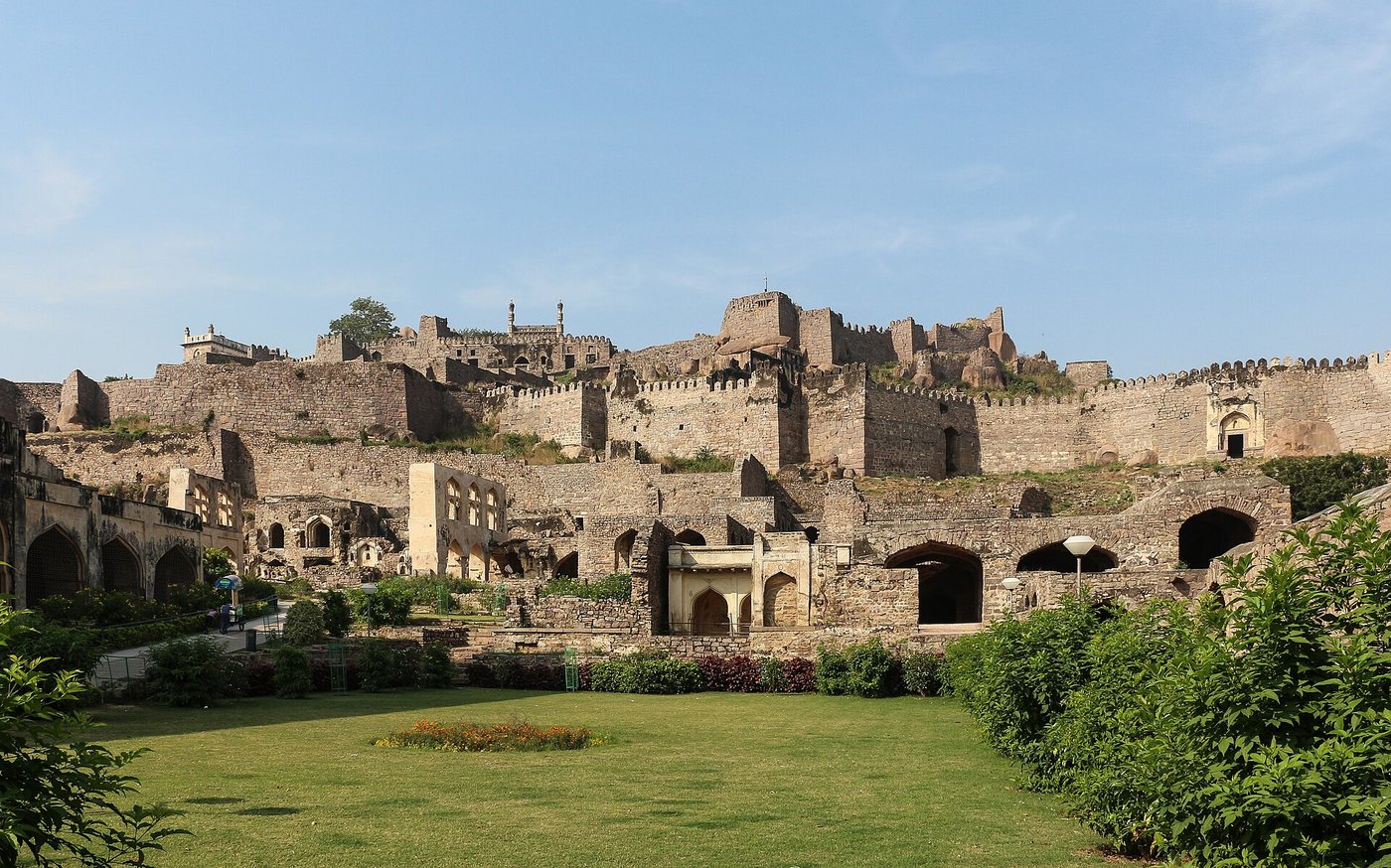
Until diamonds were found in Brazil in the 1720s, India held a global monopoly on the gem. Every diamond mentioned in classical Roman writing, medieval Islamic treasuries or early European crown jewels almost certainly began its journey in a riverbed near Golconda.
The Peacock Throne and a captive emperor
By the seventeenth century the diamond was set into the single most extravagant piece of furniture ever built: the Peacock Throne of Shah Jahan, the Mughal emperor who also commissioned the Taj Mahal. Contemporary accounts describe a canopied golden throne studded with rubies, emeralds and pearls, with two bejewelled peacocks spreading their tails behind the seat, and, by most reconstructions, the Koh-i-Noor mounted near the top, catching the light above the emperor's head.
Shah Jahan did not enjoy his treasure for long. In 1658 his son Aurangzeb seized the throne and imprisoned his father in Agra Fort, where the deposed emperor reportedly spent his final years gazing at the distant dome of the Taj Mahal, the tomb of his beloved wife, reflected, according to popular legend, in a small mirror or in the facets of a diamond he kept near him. Whether or not that detail is literally true, it captures something real about the stone's reputation: from its first appearance in the historical record, the Koh-i-Noor was already associated with rulers who won it and then lost everything else.
"The Koh-i-Noor is cursed — any man who owns it is doomed to lose his throne, his fortune, or his life, and only a woman or a god can wear it safely."
No version of this curse legend appears in any source before the diamond arrived in Britain in the nineteenth century. It was popularised by Victorian writers trying to explain a turbulent ownership history, one shaped by the routine, often brutal power struggles of Mughal, Persian, Afghan and Sikh courts, not by supernatural misfortune.
Nader Shah and the naming of the stone
In 1739 the Persian conqueror Nader Shah invaded a weakened Mughal Empire, sacked Delhi, and carried off treasure on a scale that beggared description, including, according to the most repeated version of the story, the Peacock Throne itself with the great diamond still mounted on it. It is Nader Shah who is credited with giving the stone its modern name. Popular legend holds that on first seeing it, he exclaimed "Koh-i-Noor!" ("Mountain of Light"), and the name stuck, even though no contemporary Persian source records the moment. Whether the naming happened exactly this way or was embroidered later by storytellers, the name has outlived every empire that has held the stone since.
Nader Shah's own reign ended in violence eight years later, when he was assassinated by his own officers, and the diamond began another circuit through the courts of Central and South Asia. It passed to Afghan rulers of the Durrani dynasty, caught up in civil wars and blindings and palace coups, until an exiled Afghan king, Shah Shuja Durrani, arrived as a refugee at the court of the Sikh Empire in Lahore in 1813, still in possession of the stone, and in desperate need of protection.
Ranjit Singh and the Lion's mountain of light
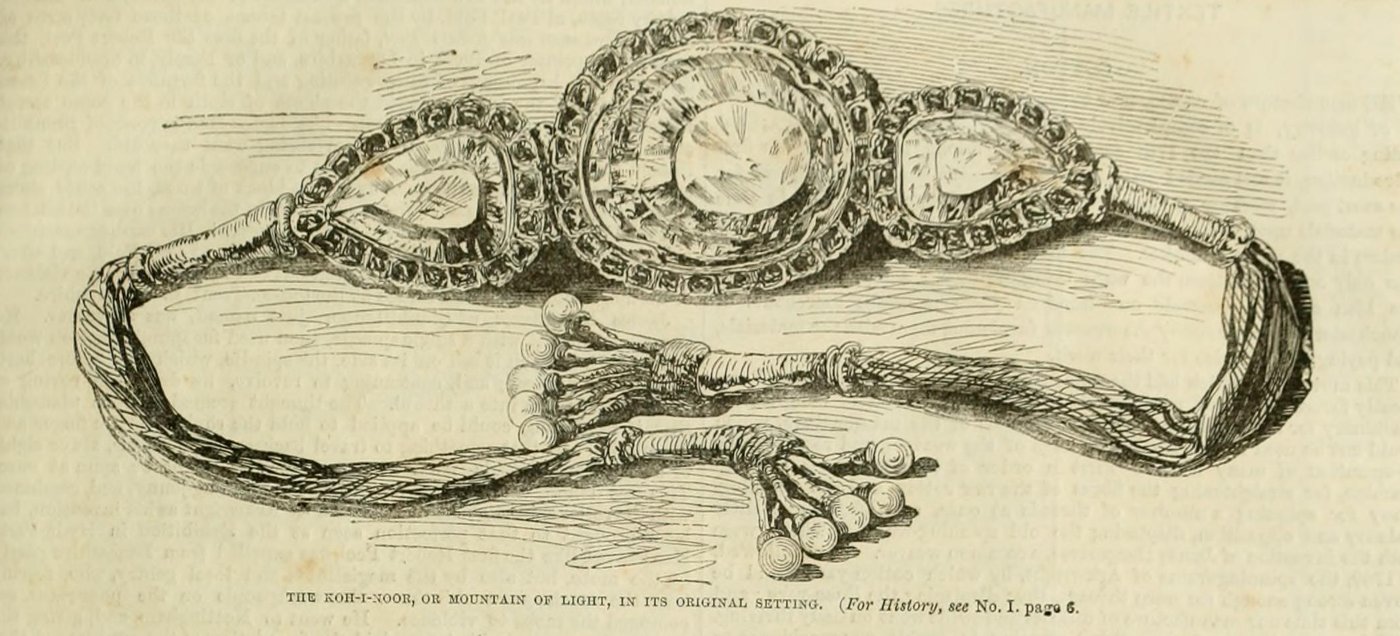
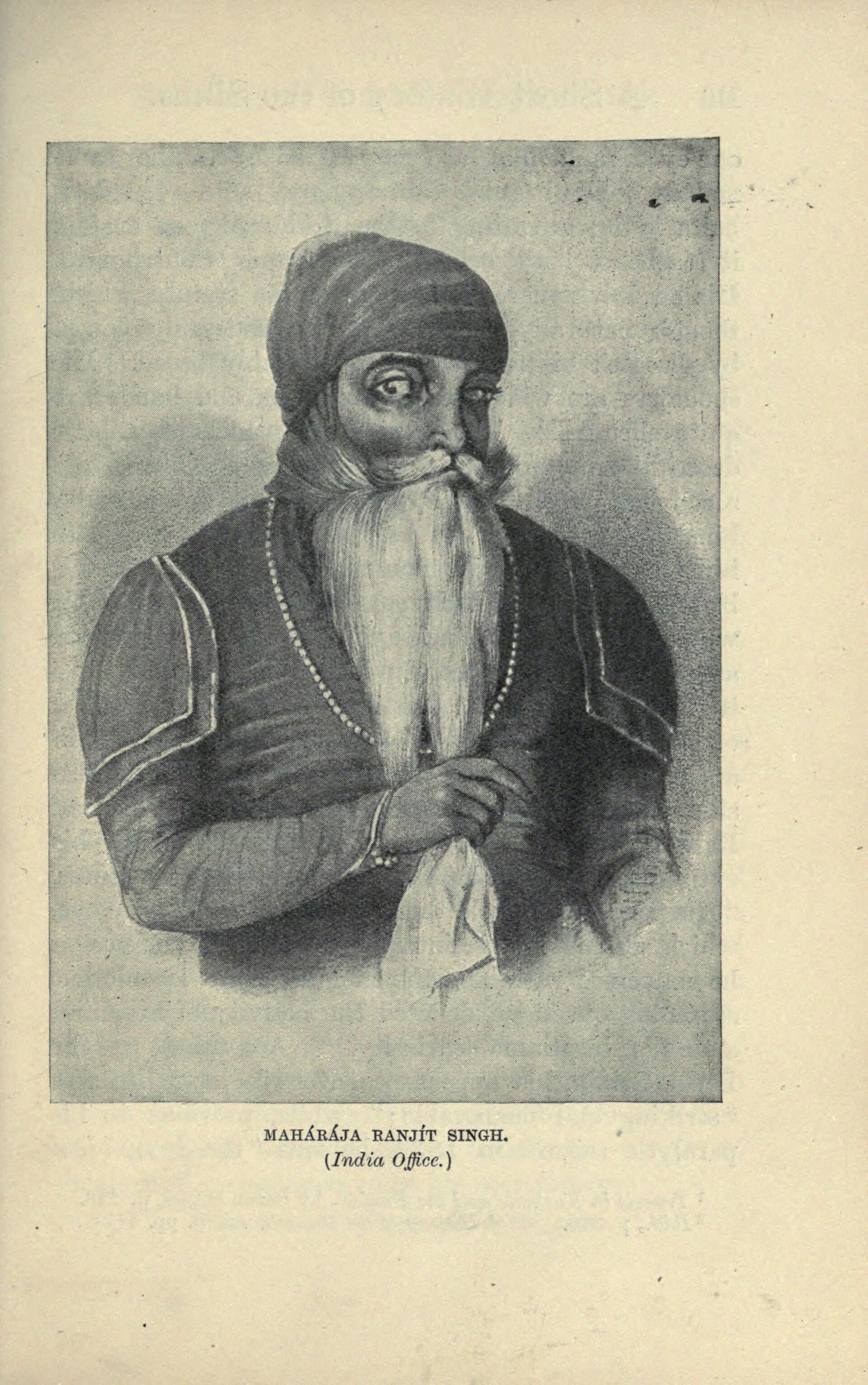
Maharaja Ranjit Singh, the one-eyed founder of the Sikh Empire and by far the most formidable power broker in early nineteenth-century Punjab, extracted the Koh-i-Noor from his guest through a mixture of hospitality and pressure that historians still debate the fairness of. Whatever the exact terms, by 1813 the diamond belonged to Lahore, and Ranjit Singh wore it as an armband at state occasions, displaying it as proof of his empire's power. He is said to have valued the stone enormously and, according to some later British accounts, considered bequeathing it to the Hindu temple of Jagannath at Puri, a wish that, if sincere, was never carried out.
"The gem called the Koh-i-Noor... shall be surrendered by the Maharajah of Lahore to the Queen of England."— Article III, Treaty of Lahore, imposed on the ten-year-old Maharaja Duleep Singh, 29 March 1849
Ranjit Singh died in 1839, and the decade that followed was one of the bloodiest periods of succession chaos in South Asian history, with the Sikh Empire tearing itself apart through assassination and betrayal until the British East India Company, having already fought two Anglo-Sikh Wars, formally annexed Punjab in 1849. The Koh-i-Noor passed to the last Sikh ruler, the child Duleep Singh, and was among the very first things the British demanded as a condition of peace.
A dull stone in a bright empire
When the diamond finally reached England and was displayed at the Great Exhibition of 1851 in London's Crystal Palace, it was, by most contemporary accounts, something of a disappointment. Indian and Persian lapidaries had cut the stone in an old-fashioned style suited to being viewed by flickering oil lamps and candlelight, with a broad, flat top that let a great deal of light escape rather than bounce back to the viewer's eye. Under the gas lighting of Victorian London, spectators queued for hours and came away underwhelmed, some newspapers openly calling it a letdown compared to its fearsome reputation.
Prince Albert took the criticism personally enough to have the stone re-cut. In 1852, the London firm of Garrard spent thirty-eight days grinding it down under the supervision of a Dutch diamond cutter, reducing it from roughly 191 carats to its current 105.6, a loss of nearly 40 percent of its weight, in exchange for a brilliant, modern oval cut that finally gave the stone the fire Victorian society expected of it. Queen Victoria wore it as a brooch. Later monarchs had it mounted in crowns worn exclusively by queens and queens consort (Alexandra, Mary, and finally Elizabeth the Queen Mother, whose 1937 coronation crown still holds it today).
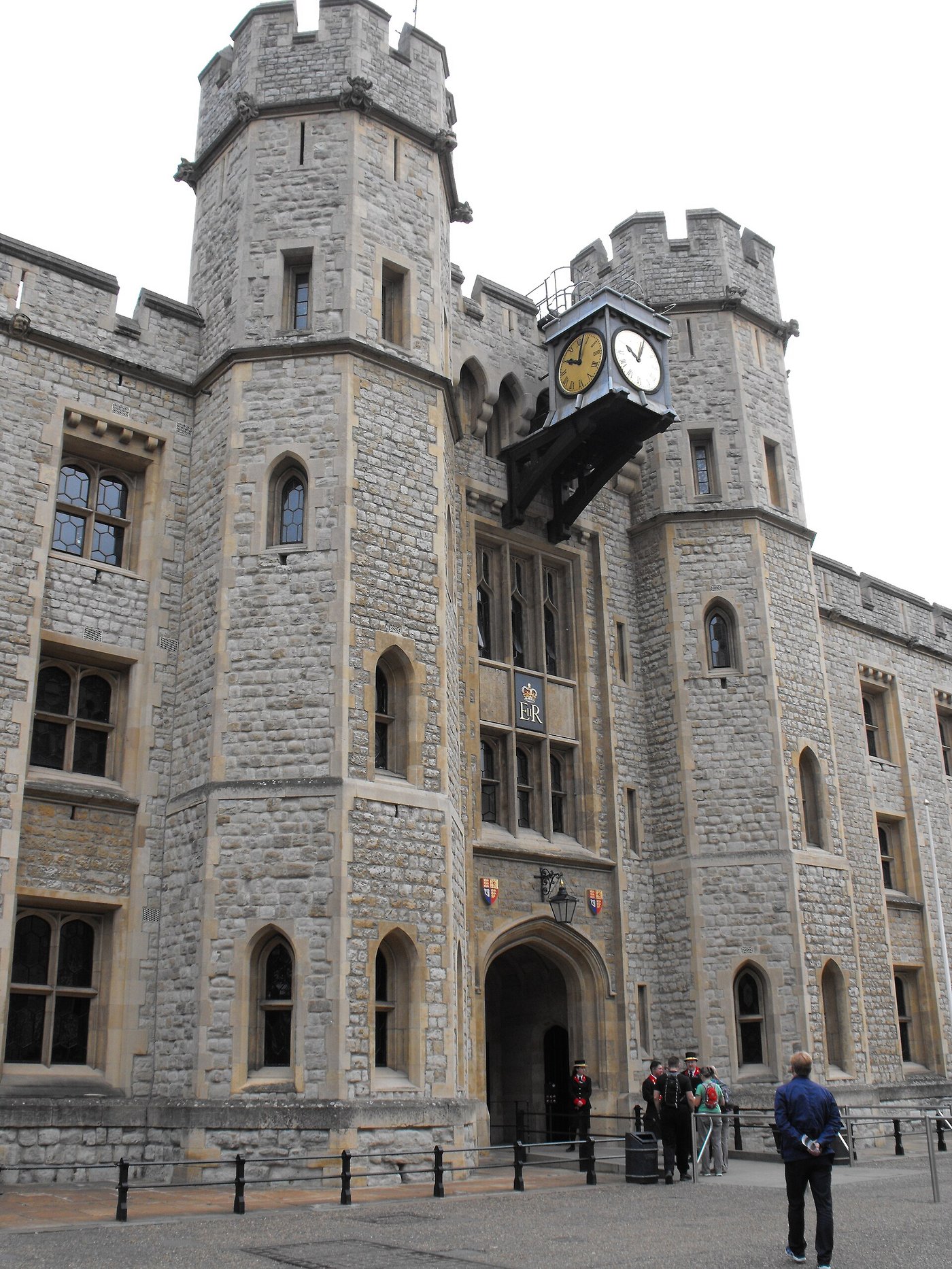
India, Pakistan, Iran and Afghanistan have all filed formal or informal claims to the Koh-i-Noor at different points, each pointing to a period when the diamond passed through territory they now govern. The British government's position, reaffirmed repeatedly by successive administrations, is that the stone was ceded legally under the 1849 Treaty of Lahore and that returning it would open the door to demands over thousands of other objects in British collections. Historians and legal scholars remain divided over whether a treaty signed by a ten-year-old maharaja under military occupation can reasonably be called a free transfer of ownership.
What the curse story is doing
It is worth being honest about how the curse legend actually functions, because it says more about the diamond's audience than about the diamond itself. The idea that the Koh-i-Noor brings ruin to any man who possesses it fits almost too neatly onto its documented history: Shah Jahan imprisoned by his own son, Nader Shah murdered by his own guards, the Sikh Empire consumed by fratricidal war within a decade of Ranjit Singh's death, Duleep Singh dying in genteel exile in a Paris hotel, estranged from the empire that had raised him after taking his kingdom. But every one of these men ruled in an era and a region where seizing a throne by force, and losing it the same way, was closer to the norm than the exception. Diamonds do not choose their owners' fates; volatile, high-stakes monarchies do that on their own.
What the legend really preserves, stripped of its supernatural packaging, is an unusually complete record of exactly how power moved across South and Central Asia for five hundred years: through conquest, inheritance, hospitality turned to coercion, and finally colonial annexation. Few single objects let you trace that whole arc through one continuous, physical thread.
A single stone, still unresolved
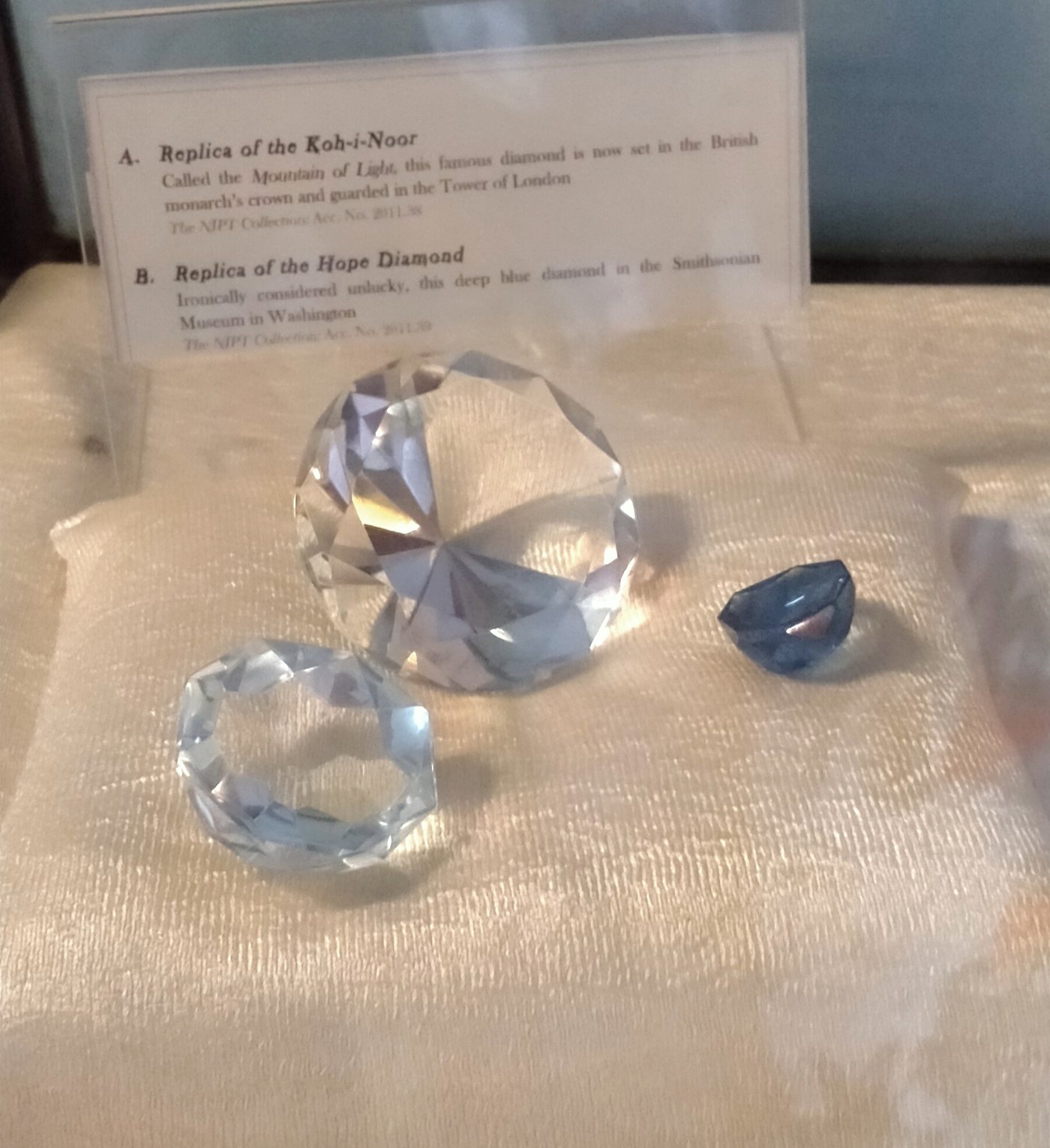
The Koh-i-Noor's next public appearance became a live question again as recently as 2023, when it was noticeably absent from the crown Queen Camilla wore at the coronation of King Charles III. Buckingham Palace opted for the Queen Mother's crown without its most famous stone reset, a decision widely read as an attempt to sidestep renewed controversy over its origins. The diamond itself did not move an inch; the debate around it did.
That, more than any curse, is the real story the Koh-i-Noor tells. It is a nine-hundred-year-old piece of geology that happened to be beautiful enough to be worth killing for, passed by force from the Deccan to Delhi, from Delhi to Persia, from Persia to Afghanistan, from Afghanistan to Punjab, and from Punjab to London, each transfer a small, glittering symbol of a much larger conquest. The stone asks nothing of anyone. The empires that carried it did all the asking, and all the taking, themselves.
Image credits (via Wikimedia Commons): "The Koh-i-Noor, or Mountain of Light" — anonymous, public domain; Golconda Fort — Bernard Gagnon (CC BY-SA 3.0); Maharaja Ranjit Singh portrait — anonymous, public domain; Crown Jewels entrance, Tower of London — Samuel Taylor Geer (CC BY-SA 4.0); replica of the Koh-i-Noor diamond — Bhavss1214 (CC BY-SA 4.0).
Read next: The First Battle of Panipat: How Babur Founded the Mughal Empire and Rani Lakshmibai: The Legend and Truth of the Queen of Jhansi.
Sources & further reading
- William Dalrymple & Anita Anand, Koh-i-Noor: The History of the World's Most Infamous Diamond (Bloomsbury, 2016)
- Smithsonian Magazine — "The True Story of the Koh-i-Noor Diamond"
- Royal Collection Trust — Crown Jewels, Tower of London
- Treaty of Lahore, 29 March 1849 (British Library archival collections)